

A stainless steel electrical enclosure protects electrical and electronic equipment in the environments that destroy other enclosures fastest — coastal atmospheres, wash-down lines, chemical plants, food processing floors, and outdoor installations exposed to weather and pollution. The advantage of a stainless steel electrical enclosure is not that it looks better; it is that the material's passive chromium oxide layer resists corrosion without a paint film that can scratch, chip, or peel. For buyers deciding between a stainless steel electrical enclosure and a lower-cost coated steel or aluminum alternative, the decision should be made on where the enclosure will live and how long it must last — because in the wrong environment, the cheaper enclosure is the more expensive one over its lifecycle. This article explains the advantages of a stainless steel electrical enclosure and where each advantage matters.
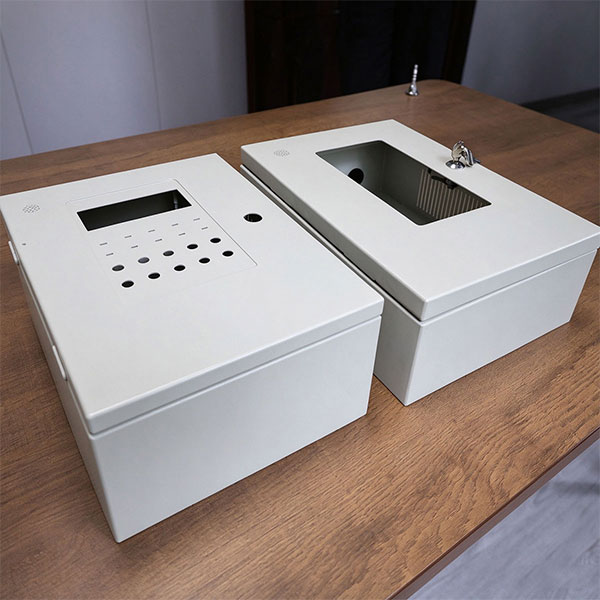
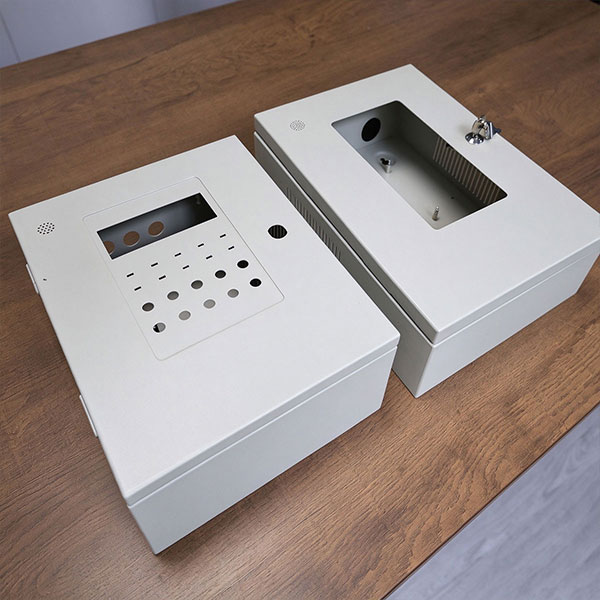
Corrosion Resistance: The Core Advantage of Stainless Steel Electrical Enclosure
The defining advantage of a stainless steel electrical enclosure is corrosion resistance from the material itself rather than from an applied coating. Stainless steel contains at least 10.5% chromium, which forms a thin, adherent chromium oxide layer on the surface that separates the underlying metal from the environment. When this layer is scratched, it reforms spontaneously in the presence of oxygen — a self-healing property that paint cannot match. A stainless steel electrical enclosure therefore resists corrosion even at cut edges, scratches, and weld areas where a coated steel enclosure's protection is compromised.
The corrosion resistance of a stainless steel electrical enclosure depends on the grade. The common grades are:
304 stainless steel — the general-purpose grade for a stainless steel electrical enclosure in indoor corrosive or mildly outdoor environments. Resists most atmospheric corrosion but is susceptible to pitting in chloride (salt) environments.
316 stainless steel — adds 2–3% molybdenum, dramatically improving resistance to chlorides and reducing agents. The grade for a stainless steel electrical enclosure in coastal, marine, de-icing, or chemical-processing environments.
316L stainless steel — low-carbon variant used for a stainless steel electrical enclosure with extensive welding (common in hygienic designs) to prevent intergranular corrosion at weld zones.
430 stainless steel — ferritic grade, lower cost, magnetic, used for a stainless steel electrical enclosure where corrosion resistance requirements are moderate and formability matters.
Selecting the grade for a stainless steel electrical enclosure should follow the corrosivity of the installation (ISO 12944 C1–CX categories) and the presence of chlorides. A stainless steel electrical enclosure in a C5 marine environment demands 316; a C3 indoor environment is adequately served by 304.
Comparison with Coated Steel Electrical Enclosure
A coated (painted or powder-coated) steel electrical enclosure protects the steel substrate with a paint film. In benign indoor environments, a coated steel enclosure costs less than a stainless steel electrical enclosure and performs adequately. The weakness is the coating: once scratched or chipped, the exposed steel corrodes, and the corrosion spreads under the coating film (filiform corrosion) where it is invisible until significant damage has occurred. A stainless steel electrical enclosure has no coating to fail in this way — its protection is integral to the material. For an electrical enclosure in a wet, corrosive, or abrasion-prone environment, the stainless steel electrical enclosure avoids the maintenance and failure mode that eventually affects every coated steel unit.
Hygienic Advantage of Stainless Steel Electrical Enclosure
In food, beverage, pharmaceutical, and biotechnology facilities, a stainless steel electrical enclosure is the standard because of hygienic design. The smooth, non-porous surface of stainless steel resists bacterial adhesion and is cleanable with the aggressive sanitizers used in these industries. A stainless steel electrical enclosure in hygienic applications uses a brushed or electropolished finish, rounded corners (no crevices where contaminants harbor), and an IP69K rating (per IEC 60529) for high-pressure, high-temperature wash-down. The electropolished surface of a stainless steel electrical enclosure maximizes cleanability and minimizes bacterial colonization — properties a coated steel enclosure cannot match, since its coating degrades under repeated sanitation.
The hygienic advantage of a stainless steel electrical enclosure extends to chemical resistance: stainless resists the acids, solvents, and cleaning agents used in food and pharmaceutical sanitation far better than polymer coatings, which soften, blister, or dissolve under aggressive cleaners. For a stainless steel electrical enclosure in a clean-in-place environment, this chemical resistance is a functional requirement, not a bonus.
Mechanical Strength Advantage of Stainless Steel Electrical Enclosure
Stainless steel has higher yield and tensile strength than carbon steel of equivalent thickness, giving a stainless steel electrical enclosure greater resistance to impact, denting, and deformation. This matters for floor-standing enclosures in accessible or high-traffic areas, where a stainless steel electrical enclosure maintains its shape and seal integrity under mechanical stress that would deform a thinner coated steel unit. The higher strength also allows a stainless steel electrical enclosure to use slightly thinner walls than carbon steel for equivalent stiffness, partially offsetting the material cost premium.
The strength advantage of a stainless steel electrical enclosure contributes to long-term seal performance. Because the enclosure body does not deform under load or impact, the door alignment and gasket compression remain consistent over the enclosure's life — maintaining the IP rating that protects the internal equipment. A stainless steel electrical enclosure in outdoor or industrial environments retains its environmental protection longer than a coated steel enclosure that dents and warps.
Lifecycle Cost Advantage of Stainless Steel Electrical Enclosure
The purchase price of a stainless steel electrical enclosure is two to four times that of a comparable coated steel unit — but purchase price is not lifecycle cost. The lifecycle cost of an electrical enclosure includes the initial purchase, the coating maintenance or repainting cycle (for coated steel), the cost of premature failure and replacement, and the downtime cost when an enclosure fails and the equipment inside is compromised. In corrosive environments, a coated steel enclosure may require repainting every few years and fail within a decade, while a stainless steel electrical enclosure operates for decades with minimal maintenance.
When the lifecycle calculation includes maintenance labor, production downtime, and replacement, a stainless steel electrical enclosure frequently has the lower total cost in C4, C5, and CX corrosivity categories and in hygienic applications where cleaning frequency is high. The advantage of a stainless steel electrical enclosure is therefore most pronounced where the environment is harshest — exactly where the cheaper alternative fails soonest.
When Stainless Steel Electrical Enclosure Is Not the Best Choice
A stainless steel electrical enclosure is not always the right answer. In benign indoor environments (ISO 12944 C1–C2), a coated steel enclosure provides adequate protection at lower cost, and the stainless premium is not justified. Stainless steel is also harder to machine and form than carbon steel, with work-hardening that requires controlled tooling — modestly increasing fabrication cost. And stainless steel creates galvanic corrosion risk when in electrical contact with dissimilar metals (carbon steel, aluminum, copper) in a conductive electrolyte, requiring isolation in a stainless steel electrical enclosure design. Selecting a stainless steel electrical enclosure where coated steel suffices wastes budget; selecting coated steel where stainless is required wastes far more.
Application Mapping for Stainless Steel Electrical Enclosure
The advantages of a stainless steel electrical enclosure map to specific applications:
Food and beverage processing — hygienic design, wash-down resistance, chemical resistance. 316L with electropolished finish and IP69K.
Pharmaceutical and biotechnology — cleanability, corrosion resistance, validation-friendly surfaces. 316L with electropolished finish.
Coastal and marine — chloride resistance. 316 grade stainless steel electrical enclosure.
Chemical processing — chemical and corrosion resistance. 316 or duplex grade depending on the specific chemicals.
Outdoor and infrastructure — weather and pollution resistance without coating maintenance. 304 or 316 depending on atmospheric corrosivity.
Wastewater treatment — high humidity, hydrogen sulfide, and chemical exposure. 316 stainless steel electrical enclosure.
Each application engages a different advantage of the stainless steel electrical enclosure — hygiene, chloride resistance, chemical resistance, or maintenance-free outdoor life — but all share the common thread of an environment that defeats coated steel.
Standards and Verification for Stainless Steel Electrical Enclosure
A stainless steel electrical enclosure should be specified and verified against the relevant standards: material grade verification (mill test report confirming chromium, nickel, and molybdenum content); IP rating per IEC 60529 for environmental protection; IK rating per IEC 62262 for mechanical impact; and, for electrical assemblies, the applicable low-voltage switchgear standard (IEC 61439) where the enclosure houses a compliant assembly. A stainless steel electrical enclosure supplier should provide material certification confirming the grade — because substituting 304 for specified 316 in a chloride environment is a failure waiting to happen. The material certificate for a stainless steel electrical enclosure is the single most important document confirming the enclosure will perform as specified.
Conclusion
The advantages of a stainless steel electrical enclosure — integral corrosion resistance, hygienic design, mechanical strength, and favorable lifecycle cost in harsh environments — make it the correct choice wherever the environment defeats coated steel. A stainless steel electrical enclosure resists corrosion without a coating that can fail, withstands the wash-down and chemical exposure of food and pharmaceutical facilities, maintains its shape and seal under mechanical stress, and operates for decades with minimal maintenance. The decision to specify a stainless steel electrical enclosure should be driven by the installation environment (ISO 12944 corrosivity category), the presence of chlorides or aggressive chemicals, and the hygiene requirement — not by a default preference for the lowest purchase price. In benign indoor environments, coated steel remains the economical choice; in C4, C5, CX, and hygienic applications, the stainless steel electrical enclosure delivers lower total cost and higher reliability. When specifying a stainless steel electrical enclosure, state the grade (304, 316, or 316L), the surface finish, the IP and IK ratings, and require a material test certificate — these specifications determine whether the enclosure's advantages are actually delivered.
FAQ
Is 304 stainless steel electrical enclosure sufficient for outdoor use?
A 304 stainless steel electrical enclosure is acceptable for outdoor use in low-to-moderate corrosivity (C3) atmospheres. In coastal or high-pollution (C4–C5) environments with chloride exposure, 316 grade is required to prevent pitting corrosion.
Why does a stainless steel electrical enclosure cost more than coated steel?
A stainless steel electrical enclosure costs more due to higher material price and more difficult fabrication (work-hardening requires controlled tooling). The premium is recovered over the lifecycle through eliminated repainting and longer service life in corrosive environments.
What finish is needed for a stainless steel electrical enclosure in food processing?
A stainless steel electrical enclosure in food processing should use 316L with an electropolished or brushed finish and an IP69K rating to withstand high-pressure, high-temperature wash-down and meet hygienic design requirements.
Can a stainless steel electrical enclosure be used with aluminum or steel components?
A stainless steel electrical enclosure in contact with dissimilar metals (aluminum, carbon steel, copper) in a conductive electrolyte risks galvanic corrosion. Isolation washers or compatible fasteners are required where dissimilar metals meet.
References
1. ISO 12944-2:2017, "Paints and Varnishes — Corrosion Protection of Steel Structures by Protective Paint Systems — Part 2: Classification of Environments," International Organization for Standardization, Geneva, 2017.
2. IEC 60529:2013, "Degrees of Protection Provided by Enclosures (IP Code)," International Electrotechnical Commission, Geneva, 2013.
3. IEC 62262:2002, "Degrees of Protection Provided by Enclosures for Electrical Equipment Against External Mechanical Impacts (IK Code)," International Electrotechnical Commission, Geneva, 2002.
4. ASM Handbook Volume 13A: "Corrosion: Fundamentals, Testing, and Protection," ASM International, Materials Park, 2003.
5. NEMA 250-2020, "Enclosures for Electrical Equipment (1000 Volts Maximum)," National Electrical Manufacturers Association, Rosslyn, 2020.